Season 1: Episode 1
Building Without Instructions: Why the Eagle Challenge Works
One of the most engaging parts of this session is the instruction-free build challenge. Ryan spins for an animal, lands on an eagle, and starts building from memory and instinct instead of following a guide. That matters because it shifts the focus from “getting it right” to “figuring it out.” That’s a big part of what makes creative play stick. When you remove the instructions, you give yourself room to experiment. You also give your brain a chance to solve problems in a hands-on way, which is a large part of the appeal of Plus-Plus in the first place.
The eagle build also shows something important about confidence. Ryan doesn’t pretend to know every step perfectly. Instead, he starts with the wing shape he remembers, then adds the tail feathers, feet, and body as the build takes shape. That’s a useful reminder for anyone playing with open-ended toys: you do not need to know the final result before you begin.
A few takeaways from the eagle build stand out:
- Start with the part you know best.
- Use stable connections to make the build stronger.
- Adjust the design as you go instead of stopping when it changes.
Ryan even mentions one of the strongest ways to build with Plus-Plus — using pieces in a line for maximum grip. That kind of practical insight is exactly why this format works so well. It is not just entertaining; it quietly teaches technique.
Why Open-Ended Play Makes Creativity Easier to Access
The eagle challenge is not really about the eagle. It is about what happens when you give yourself permission to build without a script. Ryan pulls pieces from a bucket, looks at the animal, and figures it out on the fly. That process is messy, but it is also where creativity lives.
Open-ended play is powerful because it removes the pressure to perform. Instead of worrying about whether you followed every instruction exactly, you can focus on ideas, shapes, and storytelling. Ryan even notes that the finished eagle is “pretty close, not exactly” the original design. That is the point. The value is not in perfect replication. It is in the act of making.
This approach is especially useful for kids, families, classrooms, and anyone who wants a low-pressure way to build confidence. If a person can look at a reference, improvise a solution, and finish with something recognizable, they are practicing problem-solving without it feeling like work.
The session also shows how creativity can be sparked by small prompts. A spin wheel, a bucket of pieces, and a challenge to build without instructions are enough to get things moving. You do not need a huge setup or a complicated goal. Sometimes the best creative spark is a simple constraint.
If you want to use that idea at home or in a classroom, try this:
- Pick one object, animal, or theme.
- Limit yourself to a small pile of pieces.
- Start with one recognizable feature.
- Add details only after the main shape works.
- Accept “close enough” as a successful result.
That mindset is useful far beyond toy building. It helps people approach creative tasks with less fear and more curiosity. And that is exactly the kind of play Plus-Plus seems designed to support.
The Story Behind the First Fan Mail
After the build challenge, the episode takes a more personal turn: Plus-Plus USA receives its first piece of fan mail. That may sound like a small moment, but it says a lot about the relationship between a brand and its community. This is not just about products sitting on shelves. It is about people making, sharing, and connecting around the brand.
Ryan opens a letter from Knox, one of the brand’s superfans, and immediately notices the care that went into it. The folding is described as origami-like, the artwork is detailed, and the note includes a question about how Plus-Plus glow pieces work. That kind of engagement is valuable because it shows that the toy is inspiring curiosity beyond the build itself.
The fan mail moment also gives the brand a chance to respond in a human way. Ryan is clearly delighted, and that enthusiasm matters. It reinforces that the team is paying attention to the people who build with Plus-Plus, post about it, and send in their creations and questions.
There is also something meaningful about the invitation to send more mail. It turns a one-way product experience into a two-way relationship. If you buy a toy, build something, and then get a response from the people behind it, that creates a stronger sense of belonging.
This is a good reminder for any brand or creator: the best communities are built when you make room for participation. A toy can be fun on its own, but it becomes more powerful when people can share what they made and feel seen for it.
How Plus-Plus Glow Pieces Work
One of the most interesting questions in the episode comes from Knox: how does Plus-Plus glow? Ryan explains that every Plus-Plus piece starts with color built into the material, and glow pieces use a special phosphorescent ingredient to create the effect.
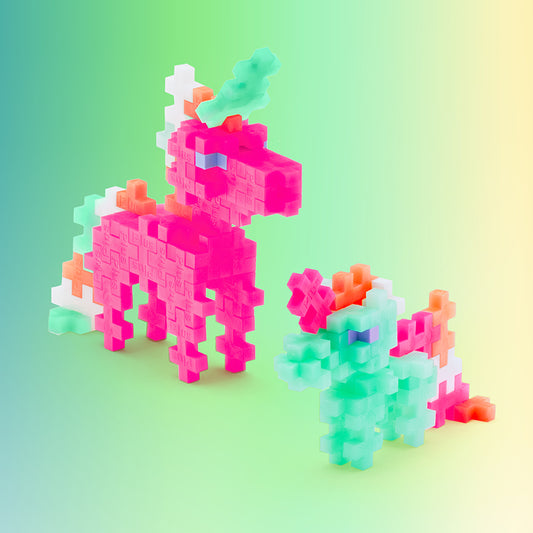
That explanation is simple, but it is also helpful. Glow pieces are not painted on the outside or treated as a surface finish. The glow effect is part of the material itself. Ryan compares it to food coloring, where a small amount changes the appearance of the whole mix. In this case, the special ingredient allows the piece to glow once it has been exposed to light.
For anyone curious about the product, that detail matters. It helps you understand why the glow pieces feel special without being fragile or gimmicky. They are still part of the same building system, just with a different visual effect.
Ryan also mentions that the team may explore other glowing colors in the future. That comment does two things. First, it hints at ongoing product development. Second, it reinforces the idea that the brand is still experimenting and evolving. For a creative toy company, that matters because innovation keeps the experience fresh.
If you are explaining glow materials to kids, this is a great way to frame it:
- The piece starts with a base material.
- A special ingredient is added to create the glow.
- Light charges the material.
- The glow becomes visible in the dark.
Why Time, Imagination, and Play Belong Together
The closing message of the episode brings the whole theme together. Plus-Plus says that every product starts with an idea on a page and “a few hundred tries” to get the build right. That line captures both the design process and the philosophy behind the brand.
It also connects back to the show’s title, Time Well Played. The idea is not just that play is fun. It is that time spent making something — experimenting, adjusting, and imagining — is time well used. That message feels especially relevant in a world where so much content is passive. Building with your hands asks something different of you.
Kate’s line about personality — “If your personality was a Plus-Plus build, what would it look like?” — is a playful way to invite self-expression. It turns the product into a mirror. What would you build if you were trying to represent yourself? A rocket? A critter? Something bold, funny, tiny, or wildly colorful?
That is the real strength of open-ended building toys. They do not just entertain you for a few minutes. They help you think, imagine, and communicate in a physical form. Whether you are building an eagle, opening fan mail, or exploring glow pieces, the experience is about more than the final model.
It is about the process.
Frequently Asked Questions
What is Plus-Plus?
Plus-Plus is a building toy made of small, interlocking pieces that can be used to create animals, characters, vehicles, and custom designs. It is designed to support open-ended, imaginative play.
Can you build Plus-Plus models without instructions?
Yes. While the app includes many guided builds, you can also create your own designs without instructions. That kind of freeform building is one of the main appeals of the toy.
How do Plus-Plus glow pieces work?
Glow pieces use a special phosphorescent ingredient in the material. When exposed to light, they can glow in the dark for a period of time.
Is Plus-Plus good for creative learning?
Yes. It encourages problem-solving, spatial reasoning, fine motor skills, and imaginative thinking. Because there is no single correct outcome, it also supports confidence and experimentation.
Where can I find build ideas for Plus-Plus?
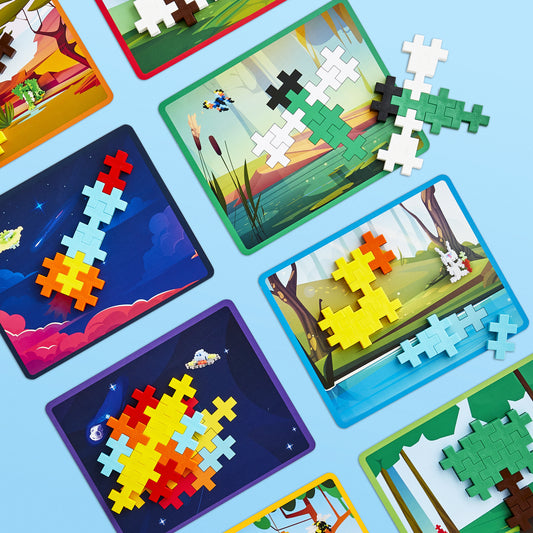
The episode mentions a free app on Apple and Android with hundreds of building guides. That makes it easy to find inspiration when you want a little structure before trying your own designs.
One-Sentence Summary
This episode shows how Plus-Plus turns simple pieces into creative play through instruction-free building, fan connection, and the science behind glow pieces.